
Aug 25, 2026Product Information
Still Choosing LED Lamps by Wattage? — Most People Get “Lumens” Wrong
A 9W LED bulb delivers 800 lumens — as bright as a 60W incandescent, but uses only 15% of the power. Still choosing LED lamps by wattage? Most people get lumens wrong.
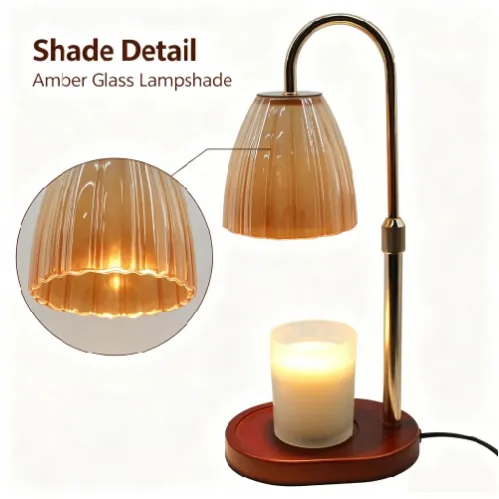
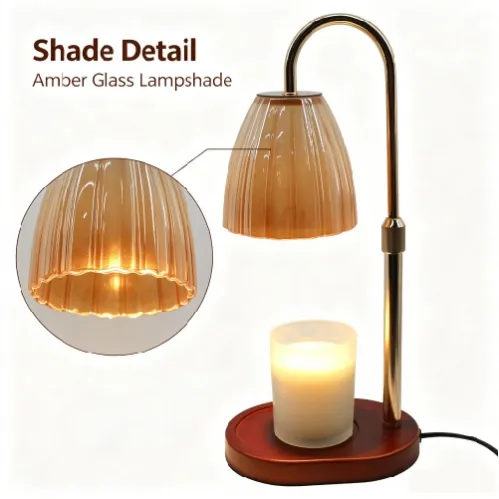
.Last week, I was on a call with a US-based e-commerce client. He asked: “What’s the wattage on that rechargeable table lamp of yours? US buyers really care about that.”
I said: “You should be asking about lumens, not watts.”
There was a two-second silence on the other end.
Watts Tell You “How Much It Eats.” Lumens Tell You “How Bright It Is.”
This is the biggest cognitive trap in the LED era. For decades, we used “watts” to judge brightness — 40W is brighter than 25W, 100W is brighter than 60W. That was correct, because incandescent bulbs convert watts directly into heat and light.
But LEDs work completely differently.
Watts measure power consumption. Lumens measure the total amount of visible light emitted by a source. A 9W LED bulb can easily deliver 800 lumens — about the same brightness as a 60W incandescent, but using only 15% of the power.
In other words, by looking at wattage alone, you have no idea how bright an LED lamp actually is. Consumers who shop for LEDs using “60W” as their benchmark often end up with something completely different — and that’s where negative reviews come from.
So How Many Lumens Do You Actually Need?
It depends on the space.
According to the US Department of Energy’s guidelines:
- Bedrooms / living rooms: 10–20 lumens per square foot
- Kitchens / dining rooms: 75–80 lumens per square foot
- Offices: 30–50 lumens per square foot
In plain terms: an 800-lumen table lamp is plenty for bedside reading. A 1600-lumen lamp is better suited for living rooms or studies.
Two Suggestions for E-commerce Sellers
First, shift your Listing narrative from “watts” to “lumens.” Don’t just write “9W energy-saving bulb.” Write: “800 lumens – as bright as a 60W incandescent, but only consuming 9W.” Consumers need a frame of reference — they know how bright a 60W bulb is, but they don’t know what 9W of LED looks like.
Second, replace “parameter language” with “scene language.” Don’t just say “400 lumens.” Say: “Soft light perfect for bedtime reading.” Don’t just say “1200 lumens.” Say: “Bright enough to light up an entire desk.” Consumers buy how a product makes them feel — not a number.
Final Thought
Lumens aren’t just a technical spec. They’re a new language. In the LED age, everyone — sellers, buyers, and manufacturers — needs to learn to speak it: think about brightness in terms of “total light output,” not “power consumption.” Don’t let “how many watts” ruin a perfectly good lamp.
Hashtags
#LEDLighting #LumensNotWatts #LightingDesign #HomeDecor #EnergyEfficiency #LightingTips #InteriorDesign #ElectricalEngineering