Oct 28, 2026Product Information
Color Temperature Lighting Guide: 2700K to 6500K for Every Room
Discover how color temperature (2700K–6500K) impacts home mood, productivity, and sleep. Learn how to choose the perfect ambient lighting for every space.
Lighting isn’t just about making a room visible—it dictates how a space feels and how you perform inside it. Whether you want to unwind after a long day or stay laser-focused during a tight work deadline, understanding color temperature measured in Kelvin (K) is the key to mastering home ambiance.
In this guide, we will break down the spectrum from 2700K to 6500K and show you how to use warm versus cool light to transform your home’s mood.
What Is Color Temperature (Kelvin)?
Color temperature describes the visual warmth or coolness of light produced by a bulb. It is measured in units of Kelvin (K) on a scale ranging from 1000K to 10,000K.
- Lower Kelvin numbers (2200K–3000K): Produce a warm, amber-to-yellow glow that promotes relaxation.
- Higher Kelvin numbers (4000K–6500K): Produce a cool, crisp blue-white light that mimics daylight and enhances alertness.
The Kelvin Spectrum Breakdown
1. 2700K – 3000K: Warm White (Cozy & Relaxing)
- The Mood: Intimate, peaceful, and inviting.
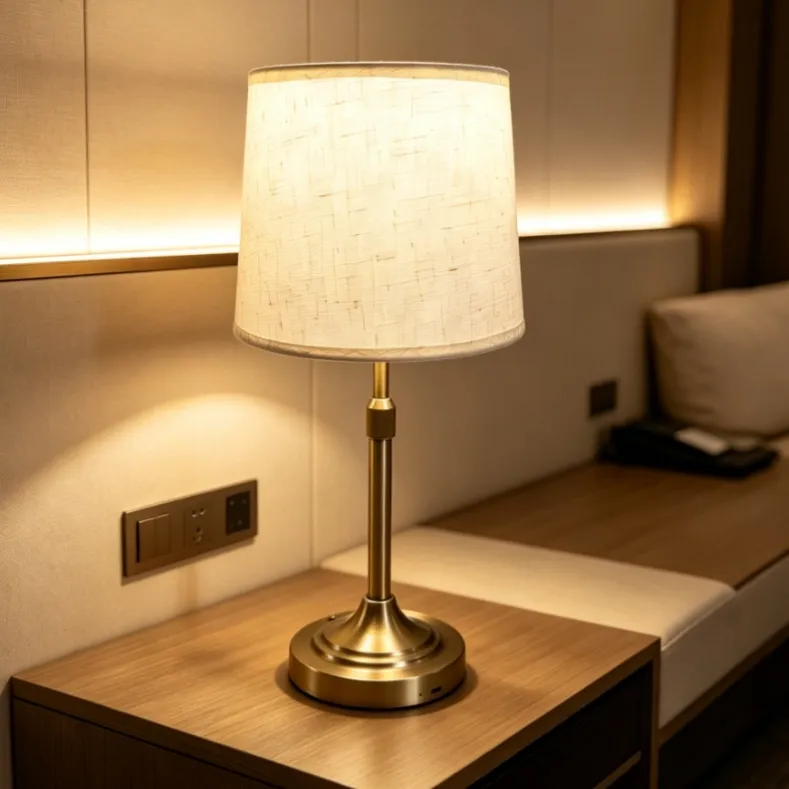
- Best For: Bedrooms, living rooms, dining tables, and bedside ambient lamps.
- Why It Works: Warm light triggers the brain to relax, mimicking the natural golden hour before sunset. It reduces eye strain and helps prepare your body for sleep.
2. 3500K – 4500K: Neutral White (Balanced & Versatile)
- The Mood: Clean, energetic, and true-to-life.
- Best For: Kitchens, bathrooms, home offices, and vanity mirrors.
- Why It Works: Neutral light strikes a balance between warmth and clarity. It enhances visibility without feeling harsh or clinical.
3. 5000K – 6500K: Cool Daylight (Focused & Crisp)
- The Mood: Vibrant, intense, and invigorating.
- Best For: Craft rooms, reading nooks, garage workshops, and high-intensity task areas.
- Why It Works: High-Kelvin light simulates mid-day sunlight, suppressing melatonin production to keep you alert and focused during detail-oriented tasks.
How to Layer Color Temperatures in Your Home
You don't need to settle for a single color temperature in one room. The best interior designs use layered lighting:
- Ambient Layer (Overhead): Use 3000K–3500K for general ambient illumination.
- Task Layer (Desk/Counter): Add a 4000K directional desk lamp for focused working or cooking.
- Accent Layer (Table/Shelf Lamps): Place 2200K–2700K dimmable ambient table lamps at eye level to create cozy evening pockets of light.
Final Thoughts: Choosing the Right Ambient Lamp
If you want complete control over your home's mood, choose an LED ambient lamp with adjustable color temperature or dimming capabilities. Switching seamlessly from a productive 4000K workspace to a serene 2700K evening retreat transforms your living space at the touch of a button.
Hashtags: #LightingDesign #ColorTemperature #HomeDecor #AmbientLighting #InteriorDesign #CozyHome #LEDLighting #HomeImprovement